Okinawa's summer is amazing.
Prepare, and it's even safer.
You've crossed the sea to finally reach this southern island. But Okinawa's summer has stronger sun, heat, typhoons and ocean than the mainland. The more people in your group, the more one person's sunburn, feeling unwell, sudden weather, or an ocean accident can affect the whole trip.
Bottom line: a large family should lock in four things before you leave for peace of mind — ①sun and heat protection ②a typhoon Plan B ③ocean/pool safety ④booking early for peak season. Even with lots of kids, you can enjoy it safely to the fullest.
※This article is a safety-information column for large families. It's not an ad pushing a specific booking; it's built mainly around internal links guiding you to related articles on lodging, transport and experiences. Because the site as a whole uses affiliate links, we note it each time we include one (Affiliate disclosure). Ocean safety, habu jellyfish and typhoons are summarized neutrally based on public info from Okinawa Prefecture, the Japan Meteorological Agency and others.
Three things for safetySun, typhoons, ocean — three things to lock in before you leave
Bottom line: Okinawa's summer sun, typhoons and ocean are stronger than the mainland, and kids are the most affected. "Let's be careful" isn't enough. Share specific preparations as a family.
① Protect kids from strong sun and heat
Bottom line: the subtropical sun is fierce and wears you out fast. Sunscreen, hats and rash guards for everyone, reapplied often. Never run low on water and salts, and on mostly-outdoor days build in shade and breaks. Avoid the blazing midday sun; keep the outdoors to morning and evening, and shift the hot hours to indoor spots like aquariums to stay safe. Don't push infants or older adults too hard.
② Plan so a typhoon "won't ruin things"
Bottom line: typhoons can arrive from summer into autumn. While traveling, check the latest tracks and warnings with official sources such as the Japan Meteorological Agency. Flights, ferries and remote-island tours can be canceled, so build in slack with spare days and changeable bookings. In rough weather, switch to your indoor Plan B.
③ Ocean: "supervision, nets, never look away"
Bottom line: the ocean can turn dangerous in an instant. In a supervised swimming area, check the flags and stay inside the habu jellyfish barrier nets. Put life jackets on the kids, appoint a watcher, and watch for sudden drop-offs and rip currents.
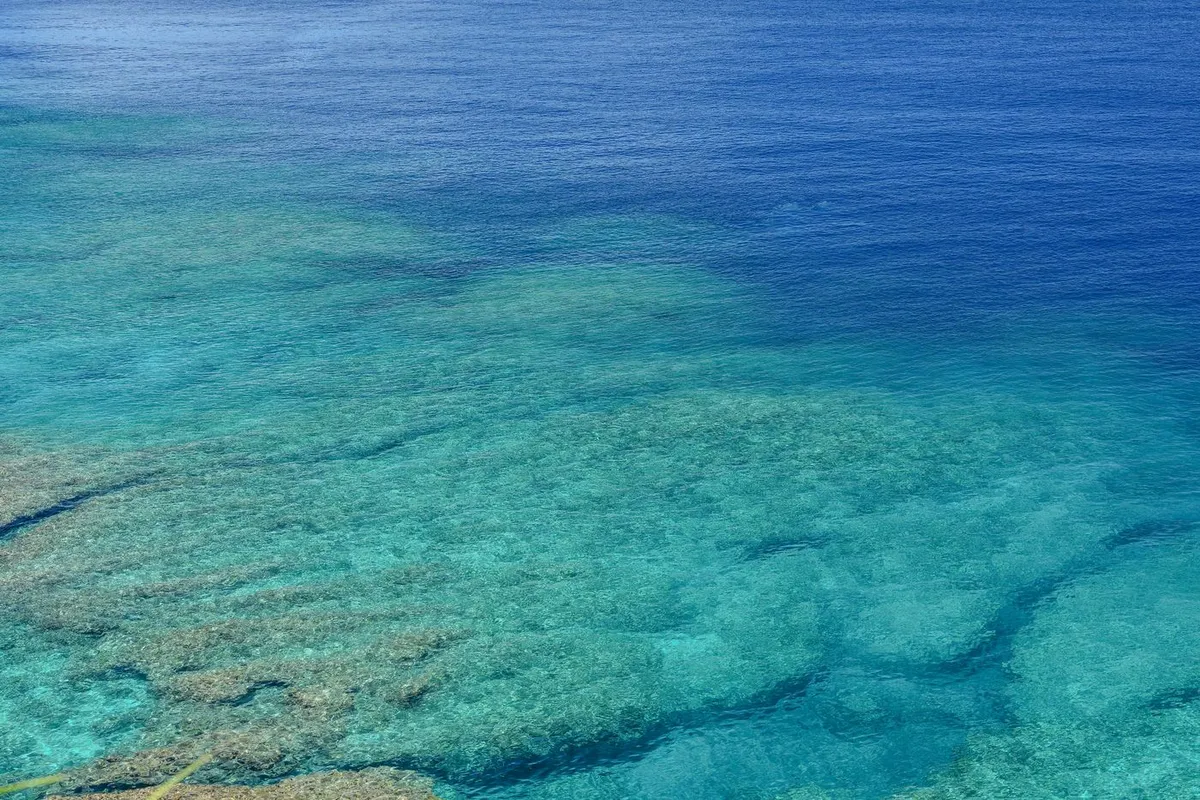
Okinawa's habu jellyfish advisory is typically issued during this period.
Swim only inside the nets. When you head to the ocean, carry vinegar (table vinegar) so it's on hand just in case.
※Source: Okinawa Prefecture (Okinawa Story) and others. Please check the latest advisory and measures with Okinawa Prefecture's info.
Ocean & beach safety cheat sheet — Do / Don't
Bottom line: for a large family, the ocean rule is "supervised area, inside the nets, never look away." The more kids there are, the easier it is to lose track of one, so share the rules as a family.
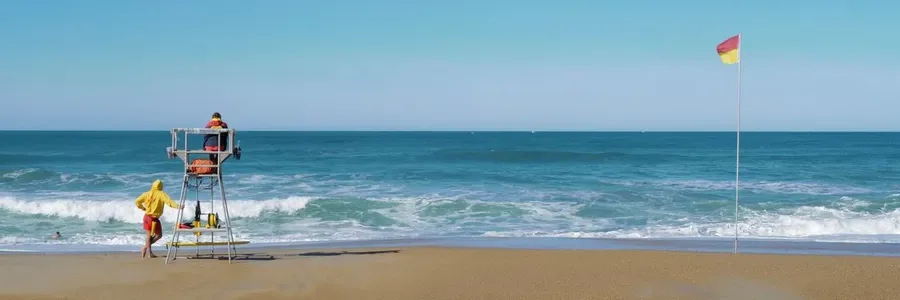
Swim at a beach with lifeguards and safety flags. Flags signal whether swimming is allowed, so check what the colors mean as a family before you enter the water (the photo is an illustration; the location is unconfirmed).
Swim with lifeguards, inside the nets
In a safe place, with a designated watcher
- At a beach with lifeguards, always check the swimming flags
- Swim inside the habu jellyfish barrier nets
- Put life jackets on the kids
- On the day, always appoint an adult to keep watch
Head indoors in rough weather; book early
A typhoon Plan B, and securing peak-season spots
- In a typhoon or rough weather, don't force a trip to the ocean
- Check tracks and warnings with official sources like the Japan Meteorological Agency
- Large rental cars and lodgings sell out in peak season → book early
- Secure child seats for everyone when you book
| Situation | ⭕ Do | ❌ Avoid |
|---|---|---|
| Where to swim | Supervised swimming area, inside the nets | Outside the nets, unsupervised ocean, no-swimming zones |
| Keeping watch | Appoint a watcher and never take your eyes off | Assuming "someone's watching" so everyone looks away |
| Kids' gear | Life jacket, rash guard, hat | Going into deep water with just a float, or bare skin for hours |
| Weather | Check the forecast; go to an indoor plan in rough weather | Going to the ocean on a typhoon or high-surf day |
| Habu jellyfish | Carry vinegar (table vinegar); if stung, follow the steps below | Removing tentacles with bare hands, or rubbing them off |
※ The ⭕❌ are an editorial rough guide organized for large-family safety; operations and rules differ by beach. For actual swimming permission, zones and supervision hours, follow the on-site signs and the lifeguards' instructions. Please check the latest habu jellyfish advisory period and first-aid steps with official sources such as Okinawa Prefecture and the Japan Meteorological Agency.
What to do just in caseFirst-aid steps if a habu jellyfish stings you
Bottom line: don't rub — the "vinegar (table vinegar) → cool → see a doctor" order is Okinawa Prefecture's basic guidance. That's why carrying vinegar when you head to the ocean is reassuring. The diagram below shows that flow as an illustration; in practice, follow a medical facility's judgment based on the symptoms.
Okinawa Prefecture's guidance is: don't rub the stung area — pour plenty of vinegar (table vinegar) to remove the tentacles, cool with ice or cold water, then see a medical facility. When you head to the ocean, carry vinegar and limit exposed skin (a rash guard, etc.) as prevention. For severe symptoms like difficulty breathing, call 119 without hesitation. The diagram is an illustration of the flow; check official sources such as Okinawa Prefecture for the latest details.
Once you understand the safety measures, build your northern Okinawa plan
Indoor experiences you can enjoy even in rough weather, lodgings near the ocean where a large family can stay, and how to get to the north. Head to the articles connected along a large family's route.
This article is a safety-information column. It's not an ad for a booking; it guides you to related articles connected along a large family's route.
Honest cautions: to avoid overdoing it
Okinawa's summer is amazing, but nature is tough. For safety, here are some things we want you to know, honestly.
Worries to settle before you leave
In Okinawa's summer, what matters most for kids?
Three things: strong sun and heat, ocean safety, and typhoons. Be strict about sunscreen, water and breaks, and swim only inside the nets in a supervised swimming area. For typhoons, prepare using the latest official forecasts.
What if a typhoon disrupts our plans?
Give yourself slack with spare days and changeable bookings, and in rough weather switch to an indoor plan like an aquarium. During a direct typhoon hit, facilities close and going out is dangerous, so wait it out at your lodging until it passes. Check the latest track with official sources such as the Japan Meteorological Agency.
Is it okay to let kids swim in the ocean?
In a supervised swimming area, inside the habu jellyfish barrier nets, with life jackets on the kids and an adult always keeping watch — under these conditions you can enjoy it with peace of mind. Watch for sudden drop-offs and rip currents too, and wrap up early before anyone gets tired.
What if a habu jellyfish stings you?
Okinawa Prefecture's guidance is: don't rub — pour plenty of vinegar (table vinegar) to remove the tentacles, cool with ice or cold water, then see a medical facility. When you head to the ocean, carry vinegar and limit exposed skin as prevention. The advisory period is typically June–September. For severe symptoms like difficulty breathing, call 119 without hesitation. (Source: Okinawa Prefecture)
Build your northern Okinawa plan
📍 This article is part of the large-family Tips & everyday life article list