In a Japanese whole-house rental,
sort out 3 things before you arrive and nothing goes wrong.
You finally arrive after crossing the ocean — but there's no one at the front desk. Whole-house rentals and villas are unstaffed by default. You can't figure out how to unlock the door, how to put out the trash, and the suitcase you shipped ahead hasn't arrived. The more people you are, the more luggage and headaches. But just sort out 3 things before you arrive, and even a large family won't stumble on arrival. First, grasp this one point: hotel habits (shipping luggage ahead, asking the front desk when stuck, trash out anytime) don't apply here.
Whole-house rentals and villas are unstaffed by default, so hotel habits don't apply. This article walks you step by step through what to sort before you arrive — picking up the key, sorting trash, and shipping luggage — so your large family doesn't stumble on arrival.
*This article is an informational column for large families. It isn't an ad pushing a specific booking; it's built mainly around internal links that point you to related stays and getting-around articles. We may mention connectivity options (such as eSIMs) in the text, and because the site as a whole uses affiliate links, we note it each time we include one (Affiliate disclosure). Rules and systems are summarized neutrally based on official information from sources such as the Japan Tourism Agency.
The 3 things to sort before you arriveThree preparations before you leave so the "no front desk" doesn't trip you up
Bottom line: with a whole-house rental, you're expected to do yourself what a hotel front desk would do for you. So if you nail down the three — trash, keys, and luggage — before you leave, you won't stumble on arrival.
① Sort trash and put it out on the designated day and place
Bottom line: in Japan you sort your trash, and if you put it out wrong it can be left uncollected. Separate it into burnable / non-burnable / recyclables (bottles, cans, PET) and take it out on the set day, time, and place. Categories and days vary greatly by municipality and property, so follow your accommodation's guidance. The more people you are, the more trash you make, so the trick for large families is to sort little and often during your stay.
② Keys are self check-in (PIN/key-box)
Bottom line: there's no front desk, so you unlock and let yourself in. Many whole-house rentals use a PIN code or key-box. After booking, be sure to confirm how you'll get the key and the entry steps by message. Contact is by chat or phone, so keep your connectivity (an eSIM, etc.) working. For large families, share the PIN among the adults and check that everyone can get in even if they arrive separately.
③ Couriers (takkyubin) may not reach you
Bottom line: a courier delivery needs someone to receive it. Unstaffed villas and minpaku often can't accept deliveries (staffed hotels are fine), so shipping a suitcase for each member of a large family and having them "not arrive" leaves you stuck. Before you leave, plan in this order: ① check whether the host can receive it, ② if not, receive it first at a staffed hotel, ③ as a last resort, a coin locker.
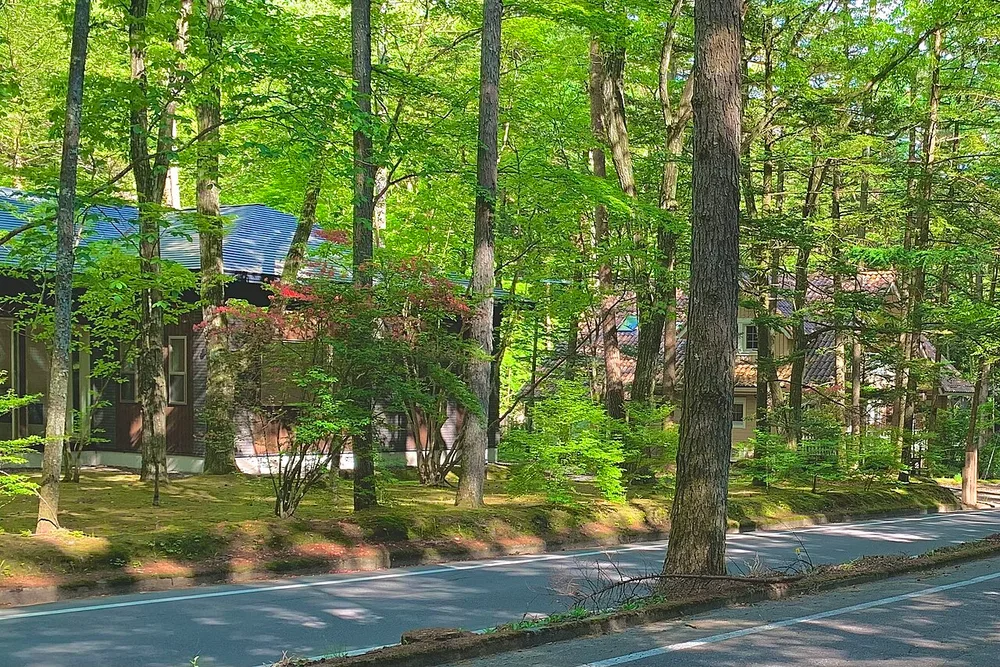
If you pick one thing to know before you arrive — couriers often can't deliver to unstaffed accommodations.
Large families tend to rely on shipping suitcases ahead. Decide how you'll receive them before you leave, and you won't get stuck on arrival.
*Couriers (takkyubin, etc.) need someone to receive the delivery. Staffed hotels are fine; unstaffed villas and minpaku often are not.
"Hotel habits" and "whole-house rentals" are two different things — a quick comparison
Bottom line: with a whole-house rental, "accommodation staff" don't handle reception, cleaning, or receiving luggage. What's a given at a hotel becomes your own planning here. Let's start by grasping the differences at a glance.
Sort out between booking and departure
Handle the 3 things where "we'll figure it out on site" won't work
- Confirm the entry steps for the key by message (PIN, key-box)
- Luggage: decide how you'll receive it first (unstaffed properties may not accept deliveries)
- Check trash sorting and collection days in your accommodation's guidance
- Secure connectivity (eSIM / pocket Wi-Fi) for contact
Rules for neighbors and capacity
A detached house has neighbors next door — consideration builds trust
- Keep nighttime voices, BBQs, and parking within the rules
- Don't exceed the booked headcount (large families should book for the actual number)
- Operate heating, cooling, and hot water yourself (mind the heaters in cold regions)
- Check out strictly on time (unstaffed places have little flexibility)
| Situation | Hotel habit | At a whole-house rental / villa |
|---|---|---|
| Check-in | Check in and get your key at the front desk | Unstaffed. Let yourself in with a PIN/key-box (passport identity check applies) |
| When you're stuck | Ask the front desk | Chat/call the host (connectivity is your lifeline) |
| Shipping luggage ahead | ⭕ They'll receive it for you | ❌ Often won't arrive (someone must receive it) |
| Trash | Put it out in the room or hallway anytime | Sort it and take it out on the designated day and place (follow the municipality's/property's instructions) |
| Nighttime noise & headcount | Within the property's rules | Neighbors live next door. Be quiet at night; stick to capacity |
* The ⭕❌ marks are an editorial summary meant to show usability for large families clearly. Practices vary by property. Because trash categories and collection days vary greatly by municipality and property, we don't state a specific number of categories. For actual disposal, follow your accommodation's (host's) guidance and the municipality's instructions. Identity verification (passport) at check-in is required by law (JTA minpaku portal).
See how it worksThe "nighttime flow" of self check-in and neighbor etiquette
Bottom line: a whole-house rental is a detached house in a residential area, with neighbors right next door. Large families, who tend to arrive at night, can prevent trouble by watching the "noise" along the flow from entry to bedtime. The diagram below is an illustration of the self check-in flow and the points to be considerate about.
Self check-in is a "unlock and let yourself in" flow. Confirm the key steps by message after booking. Because a detached house has neighbors next door, be considerate of nighttime voices, parking, opening and closing doors, and the timing of putting out trash. Contact is by chat/phone, so keep your connectivity (an eSIM, etc.) working. The diagram is an illustration of how it works.
Once you've got the etiquette down, next is "which place to stay / how to get there"
A whole-house rental lets a large family stay under one roof. Head to our articles on specific stays and how to get there without your luggage getting in the way.
This article is an informational column. It's not an ad for a booking; it points you to related articles connected by a large family's journey.
Honest caveats: what we want you to know
A whole-house rental is ideal for large families, but it works differently from a hotel. To spare you disappointment, here are the constraints, honestly.
Worries worth clearing up before you arrive
Do I take the trash home myself?
Usually you sort it and put it out as your accommodation instructs. Rules differ by municipality and property, and sorting categories and collection days vary too. If you're not sure how to put it out, check with the host.
Where do I pick up the key?
Many whole-house rentals use self check-in (a PIN code or key-box). There's often no front desk, so after booking, confirm the entry steps by message.
Can I ship a suitcase to the accommodation in advance?
Often you can't. A courier (takkyubin) needs someone to receive it, and while staffed hotels are fine, unstaffed villas and minpaku often can't accept the delivery. Check with the host first before shipping, or receive it at a staffed hotel first.
Who do I contact when I'm stuck?
Contact the host by chat or phone. So you can reach them from an unstaffed property, be sure to secure connectivity (an eSIM or pocket Wi-Fi).
Do I need ID at check-in?
Yes. Identity verification is required by law when the guest register is created, and foreign travelers are required to show and have their passport verified. Even with self check-in, your passport may be checked via an app or camera. Have everyone's passport ready to present quickly. (Source: JTA minpaku system portal)
Once you've got the etiquette down, choose where to stay
📍 This article is part of our Tips & everyday life article list for large families